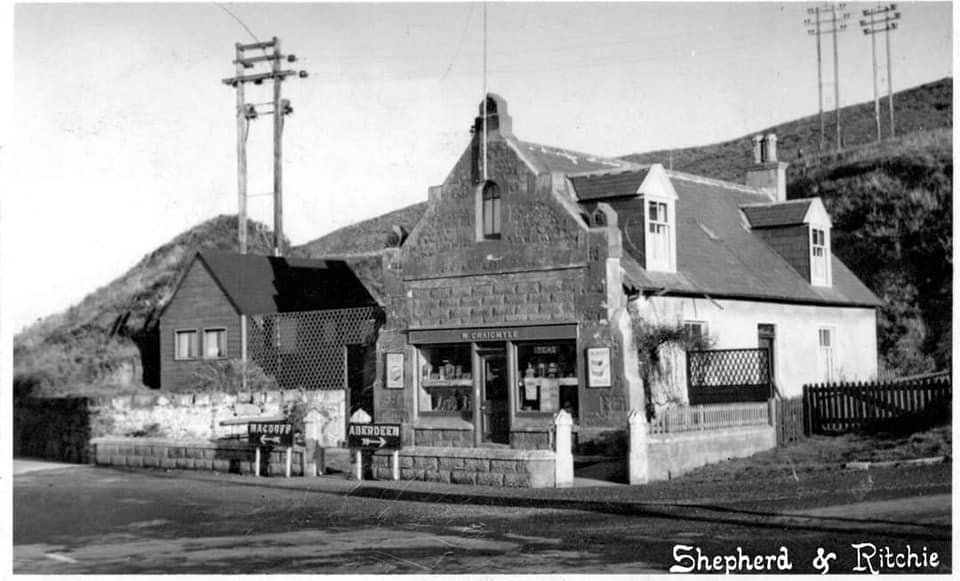
Many thanks to Douglas Lockhart and the Scottish Local History journal for the background to this Story.

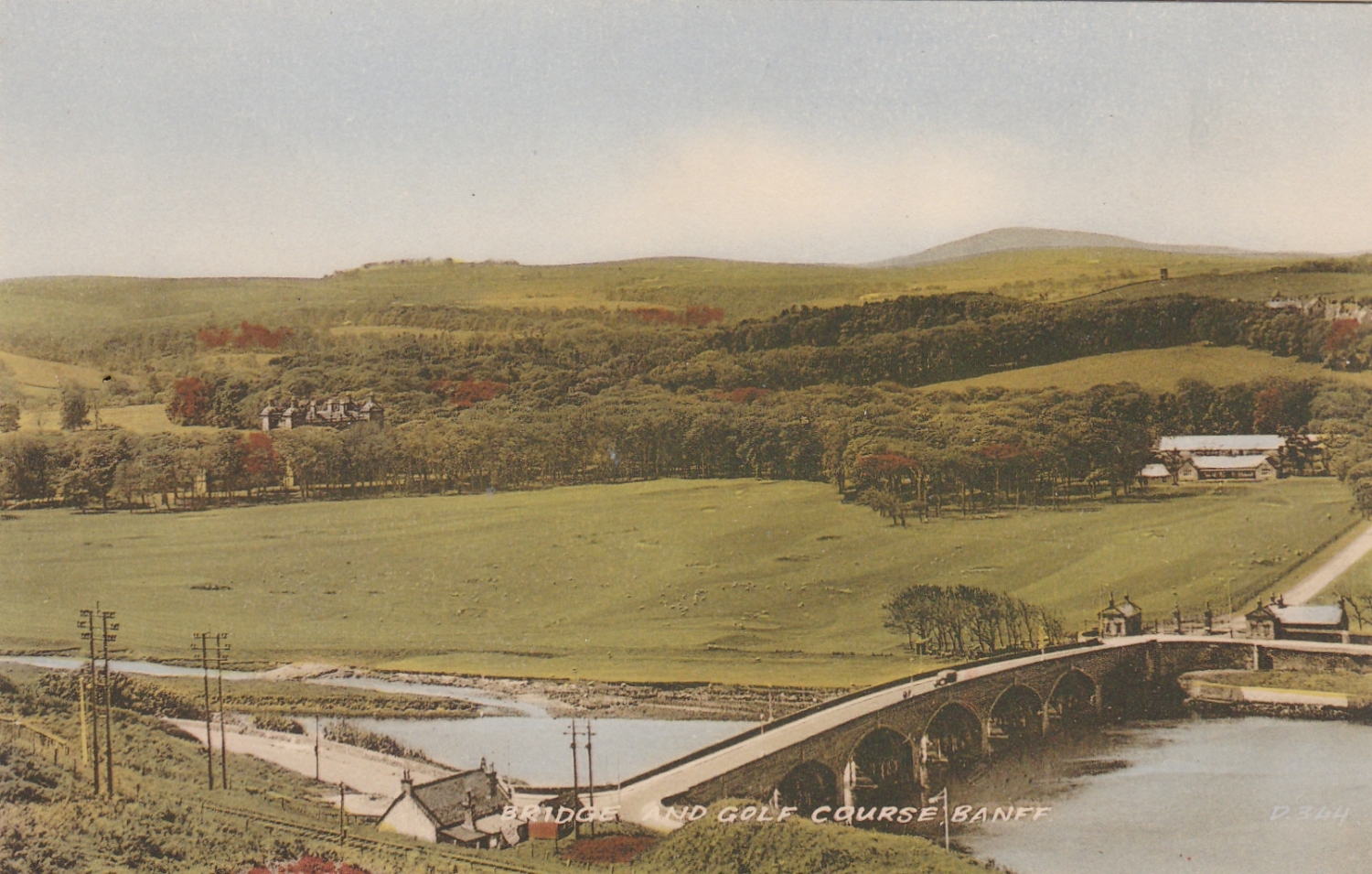
In 1908 the American Roller Rink Company established skating rinks in four Scottish Cities. This became so popular that dozens of rinks followed in many Scottish towns. Some rinks were in converted premises, and sometimes there were touring rinks. However the rink in Banff, opened on 8th January 1910, was a specially built one, sited at The Barnyards – behind the Duff House Golf Club – on the present car park. The Rink can be seen in the headline photo of Duff House grounds, to the right just above centre; the smaller building in front was the original Golf Club House. This was three years or so after Duff House and the estate had been gifted by the Duke of Fife to the Burgh Councils of Banff and Macduff, and they had established Duff House Ltd; DHL opened Duff House as a hotel in May 1910, but had already laid out and opened the golf course (initially 9 hole), the skating rink and a number of other businesses by that time.
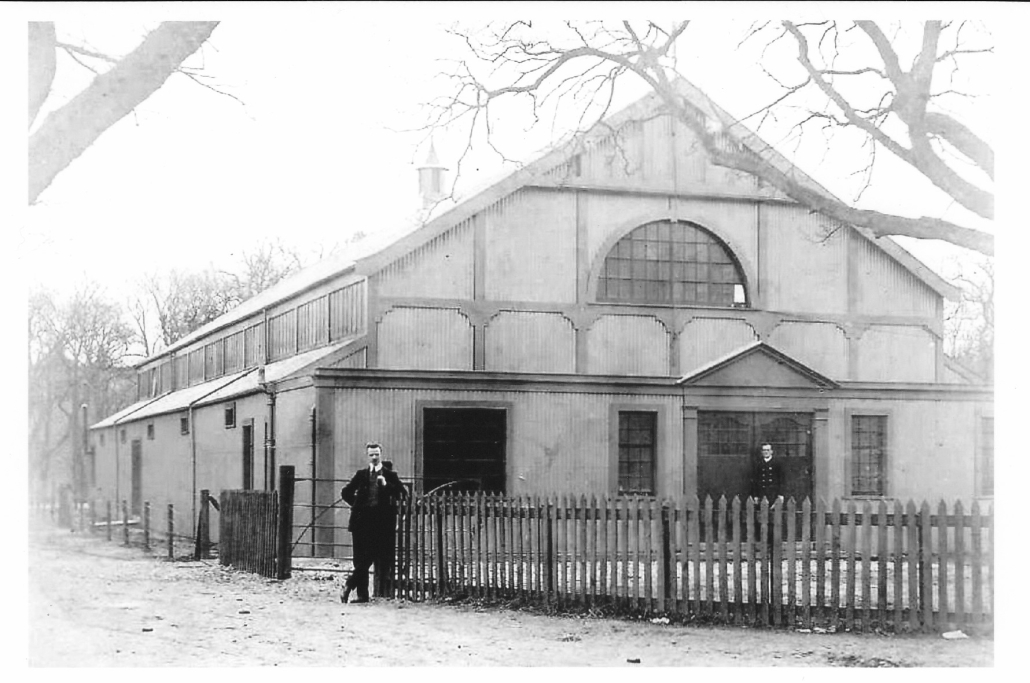
Duff House American Skating Rink

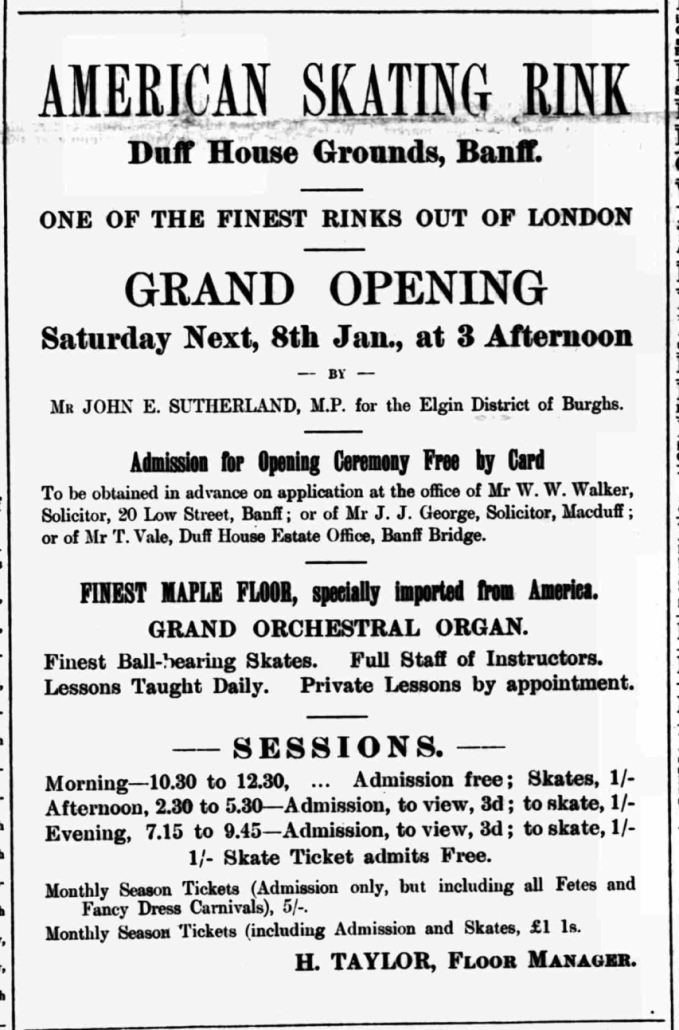
The Grand Opening of the venue was on Saturday 8th January 1910 at 3 in the afternoon! The floor space was 100 feet by 40 feet, with a wide promenade from the main entrance around the whole floor. The skating floor itself was laid with imported maple and highly polished. There was also a balcony on one side of the hall, plus cloakrooms, lavatories and a store for skate hire – the latest skates with ball bearings! The hall had been built by D McAndrews of Aberdeen, with the heating and lighting from companies in Dundee. The hall, “exceedingly crowded”R, was opened by Mr J E Sutherland, MP for the Elgin Burghs. The Macduff Brass Band and the Banff Pipe and Drum Band played outside, and at the far end of the hall there was a “fine orchestral organ”. It was claimed that the Rink was one of the finest in Scotland.
During the next four months or so the Rink was a hive of activity. Some of the events included a carnival and gymkhana held on 2nd February 1910: “So large was the turnout on the occasion that hundreds were unable to gain admission” reports the Aberdeen Daily Journal. On 2nd March there was a “Barnyard and Fancy Dress Carnival” held, with 50 people in fancy dress costumes, included a potato race, a speed race and musical chairs! An exhibition skate was given demonstrating the two-step waltz, the two step promenade and the “Dutch roll”. One of the highlights seemed to be Mr Brett, a local instructor, jumping over 8 chairs while wearing skates, believed to be a world record!
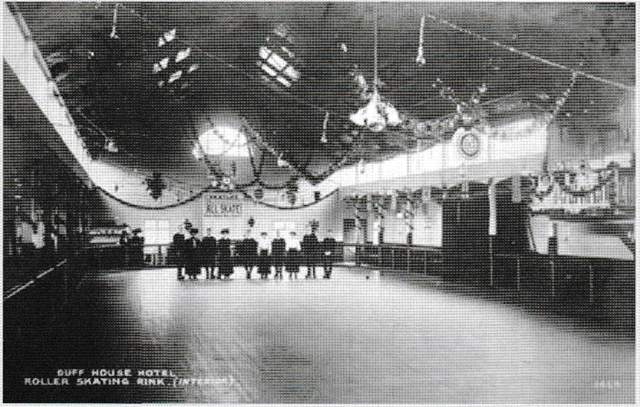
Inside the Duff House Roller Skating Rink 1910 or 1911

Skating was seasonal, and by April the season was drawing to a close. The fifth gala since opening was held, another event with fancy dress. The Banffie notes: “One of the most striking representations was that of the flying machine. Besides being entirely novel and original, the workmanship of the model was very realistically reproduced. The aeronaut, who was costumed in white, supported the framework of the car with his hands, while o his broad-brimmed cap rested the body of the “machine” whose cigar-shaped form was furnished with propellers.”

The Rink became a “Palace” during the summer, and it opened for the next season on 24th August 1910. A band frequently played, and on two afternoons a week, teas could be served on the lawn at the front of Duff House! A Miss Mab Holding, an accomplished roller skater, had been engaged, and she gave clever exhibitions of “trick and fancy skating, including threading a maze of lighted candles” to a large and appreciative audience. During the winter there were more Fancy Dress Carnivals, Polo matches and much more, but by early March 2011 the Banffie was reporting “the pastime of roller skating seems to be waning locally” apart from a few enthusiasts who quite often had the rink to themselves. The hall started to be used for a variety of other events, dances, concerts, bazaars, and by the end of 2011 skating was only two evenings a week.

By 1912 the hall was leased out as a Picture Hall and in July 1913 the Duff House Sanatorium, now the owners, had an auction of surplus goods including roller skates. It is not known exactly when the hall, or “Pavilion” as it was called in the Valuation Rolls was demolished, but it last appears in the Valuation Rolls for 1916/17.

Further thanks and acknowledgements for this Story go to:
The British Newspaper Archive and D C Thomson & Co for the newspaper excerpts;
Banff Preservation and Heritage Society for the internal photo.
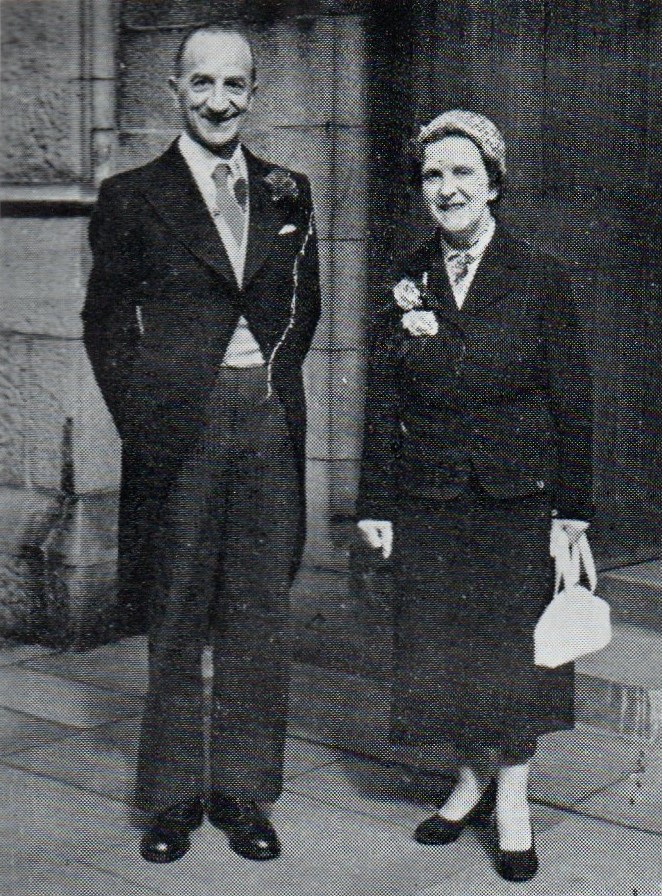
Banff was a town with a musical tradition. In the 20th century this expressed itself in singing. Steadily from 1925 into the 1970s there were regular productions. We can safely say that every single Gilbert and Sullivan light opera was performed in Banff, starting with The Gondoliers in 1926, the year the Operatic Society was formally constituted. There was already a Choral Society, and the two overlapped for years, and then merged as Banff Choral and Operatic Society in 1955.

The leading light of the Society was Harold George, organist and choirmaster of St Mary’s Parish Church, nowadays simply called Banff Parish Church. He was Director of every performance from 1925 till his retirement in 1970, and his wife was Secretary of the Society. Once he had gone, things weren’t the same, and after two or three years the routine was broken.

Provost Rankine for many years was a tenor in the choir and then was Secretary and Treasurer, and indeed President. In the Museum we have a programme with a list of 72 Patrons, starting with the Countess of Seafield. The venues varied, sometimes St Mary’s Hall, sometimes the Drill Hall or the YMCA Hall, or even Macduff Town Hall.

Singing with a good local Society can be the start of a musical career. Muriel Rae went on to Covent Garden and Sadlers Wells, and Chris Donald to the BBC Singers. The Junior Branch of the Society flourished in Banff Academy for several years, and even more of these went on to sing elsewhere.

What a consistent annual delight it must have been to have all this light-hearted tunefulness, and the whole spectacle of a well-turned-out company, year after year.

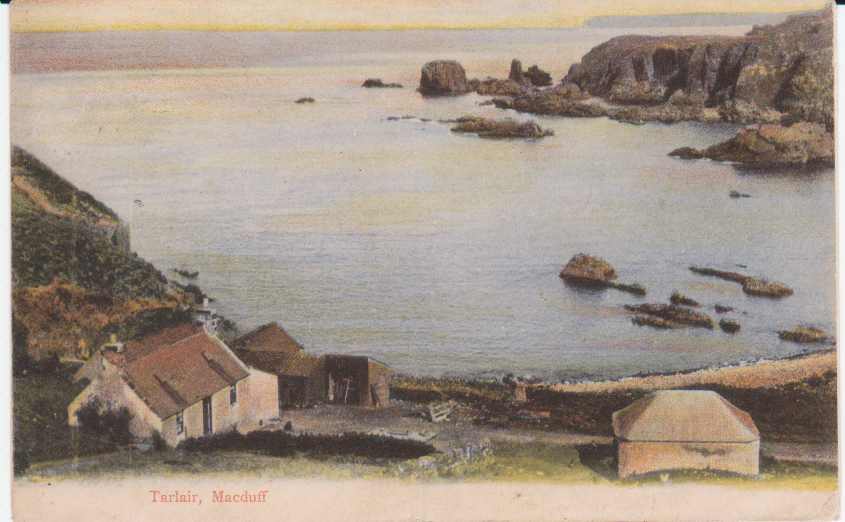
Today Tarlair is known because of it’s Art Deco swimming pool, but long before that Tarlair was still a name known throughout all of the north-east of Scotland and beyond.

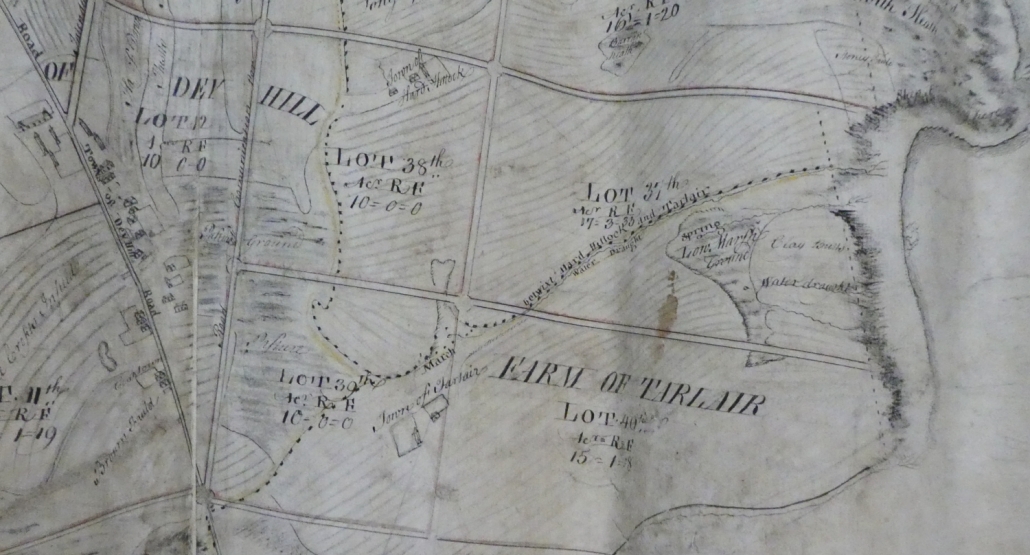
As a name it first appears on a map dated 1600 – essentially a farm steading on part of what is today Royal Tarlair Golf Course; on one map – 1763 – it is called a “town” in it’s own right, with farmlands extending over several lots in Lord Fife’s town planning for Doune – re-named in 1783 as Macduff.

One report claims that the Mineral Springs were “found” in 1740, however, Francis Douglas, a traveller in 1780 wrote that it had only recently been discovered, but already “many people resort in summer” to partake of the waters.  The 1763 map is very detailed and identifies two springs in the vicinity, one of which is named as Tarlair “Strype” – a small stream which still exists today.  The second spring doesn’t seem to appear on more modern maps. 

1763 Map by Hume showing Tarlair

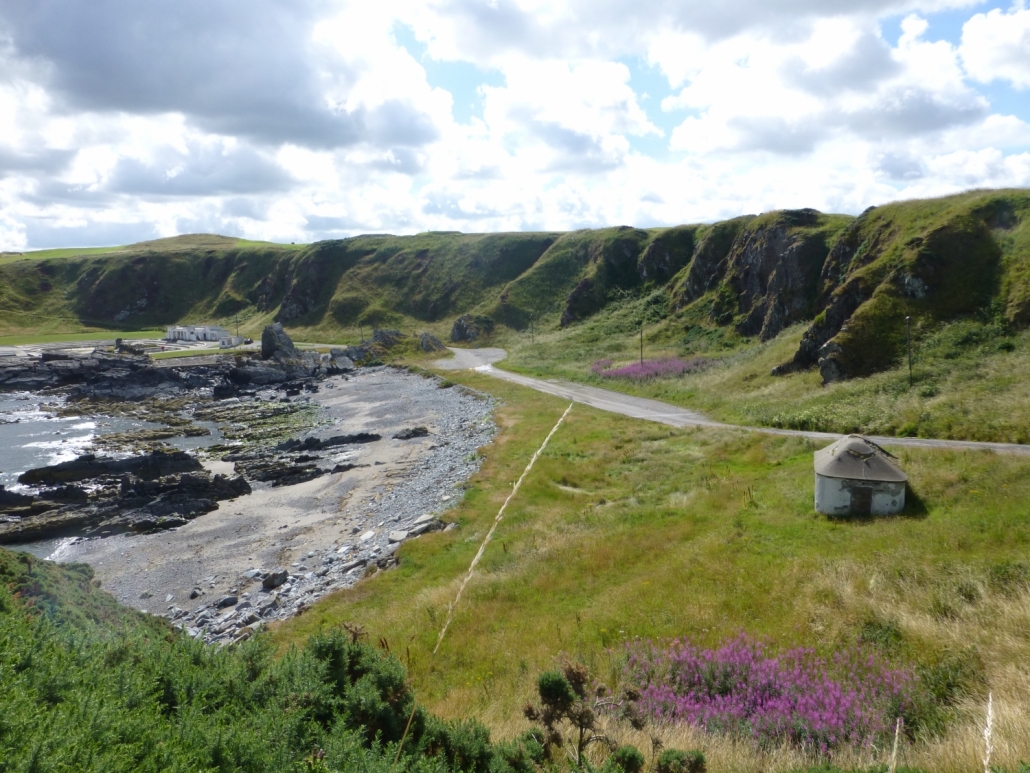
It was only in 1780 that any buildings were built down at the shoreline – one of which can still be seen today.  Lord Fife, James Duff the 2nd Earl, whose land the farmstead was on, recognising the popularity of waters, built a small house, and near to it a small croft.  The mineral waters were piped – underground – down the slope to the “Well” House, into an iron tank; the building with a stone tiled roof – today partly covered in cement – had wooden benches along the sides and a gutter down the middle, from which water was routed underground to the sea.  In truth there was not a “well”, or even a spring at the site, as the water was piped in!

Tarlair Wells House in 2013 showing the swimming pools to the left

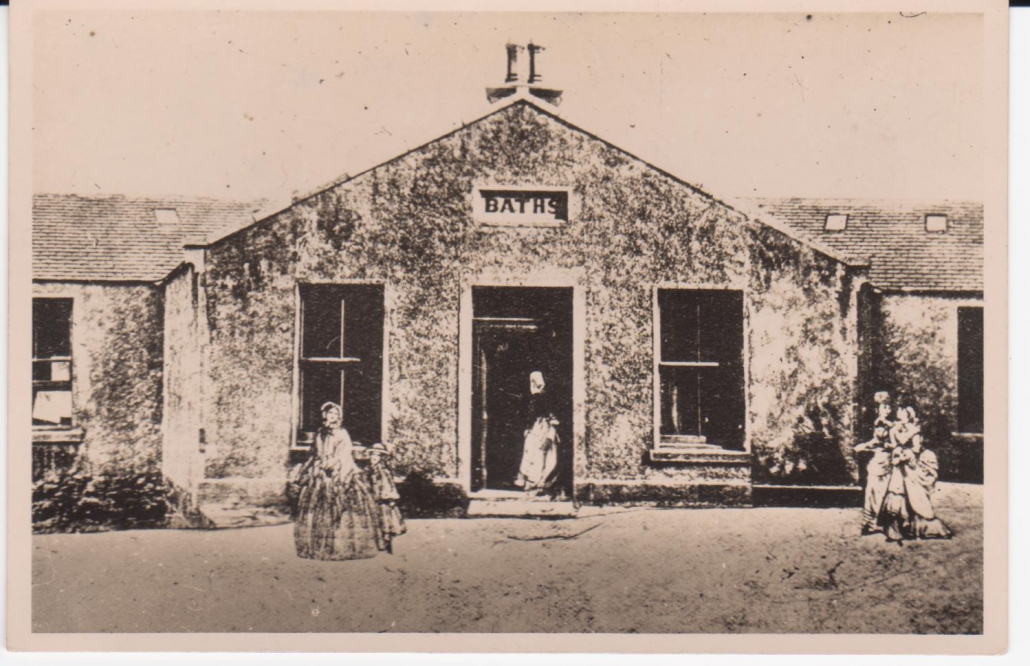
By 1839 according to one local writer, taking the waters at Tarlair was an annual occasion for much of the local population, with some coming much more frequently, due to their “restorative and invigorating virtues”.  This was Johnny Gibb, who’s tale was told in the book “Johnny Gibb of Gushetneuk” – a fictional name but real tales.  There seemed to be a procedure of drinking at the wells first, as much as could be managed, followed by sea-bathing, ladies nearer the town, men further east, at any convenient point along the coast – although the Macduff Baths (now gone) that were built in 1846 on High Shore provided an alternative, and from 1881 included a swimming pool (Bodie later built new baths in the same location).  Even copious amounts of the Moray Firth water would be drunk by some.  Others would munch on the “dulse” or “dilse” – seaweed – that grew at Tarlair.

Late 19th century photo of Macduff High Shore Baths

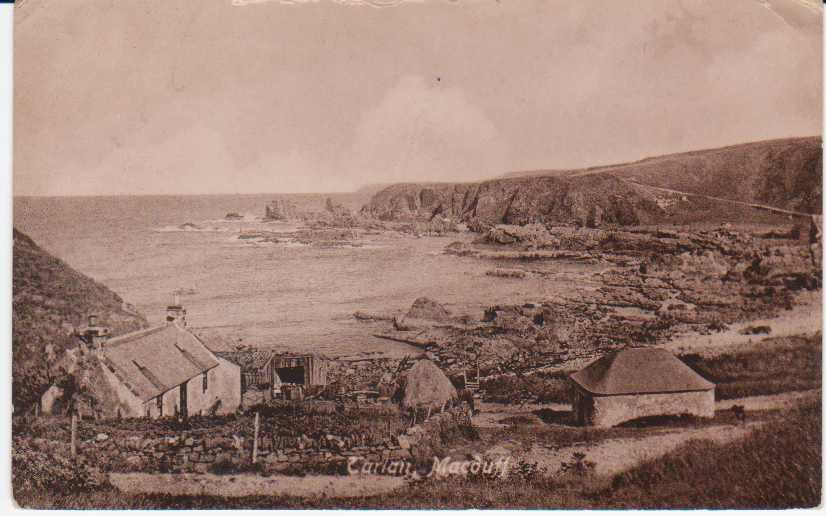
One visitor talks of being able to get some milk, and another being able to get some whisky, as the little croft next to the Well House.  Certainly various early twentieth century photos show it was a real working croft.

Tarlair Wells and Croft early twentieth century

It seems that this well, described at various times as medicinal, a spa, health, mineral, chalybeate (meaning mineral springs containing iron salts), had a great reputation and really put Macduff on the map, so to speak.  It was extremely popular with many people with innumerable tales of visits, including by whole school classes even coming to Macduff by train, but Tarlair did not have the same facilities as other mineral wells in the area, such as Pannanich Wells at Ballater, which had a dedicated hotel.  This meant Pannanich Wells were able to cater to visitors such as the Duff and Garden family, while Tarlair Wells was more for the less affluent.  The hotels in Macduff certainly did good trade because of the Tarlair Well – and there are many adverts in all Scottish Papers in the decades each side of 1900 that directly referred to being within 10 minutes of the Tarlair Mineral Wells; one of the main ones was the Temperance Hotel – later known as the Bayview.  Carts could be hired to take people to Tarlair, but many people walked and enjoyed the views and coastline.

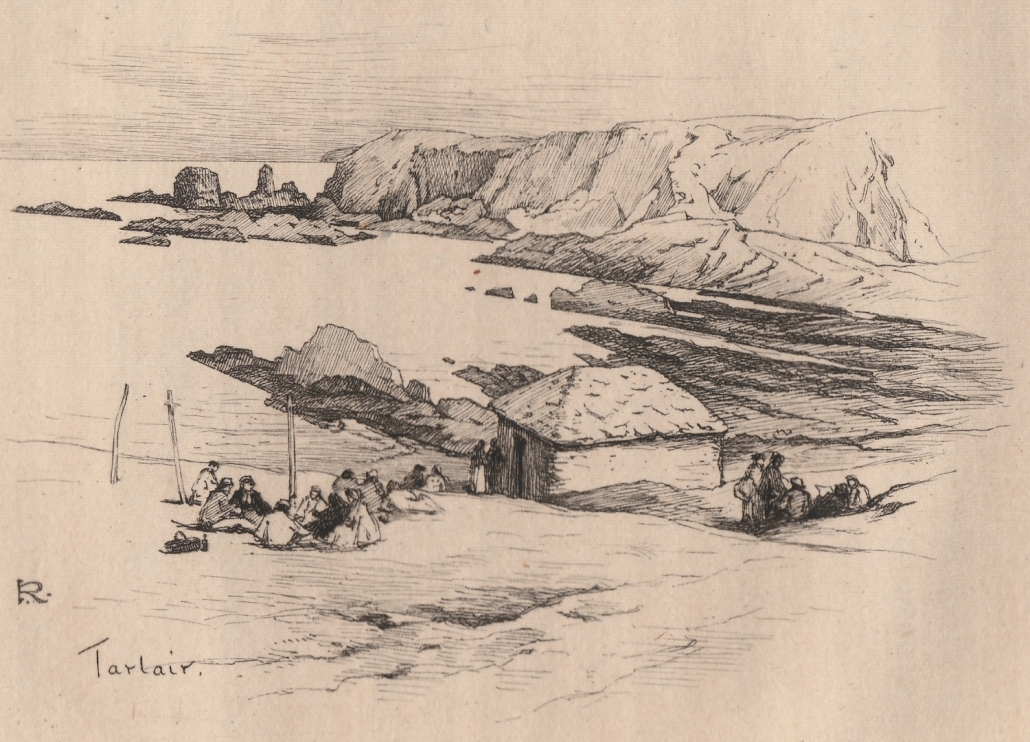
1880 sketch of Tarlair from “Johnny Gibb of Gushetneuk”

A local writer in 1873 explained that often at Tarlair a variety of occupations would take place: young men would be” improving their strength by hammer or stone [throwing]”; some couples would even be dancing on the green sward near the Wells to fiddle and flute music, others would be just promenading around the Tarlair vale, or many would be resting on the hillside engaged in conversation.  At one time the writer heard some people discussing the Darwinian theories – the “Origin of Species” first published in 1859 but only in full in 1869 !.  In the second half of the nineteenth century Tarlair Vale was also the rifle practice range for the Macduff Volunteer force (formed 1860), and many north-east Scotland competitions were held there.

In 1929 the building of the swimming pools at Tarlair was approved, first opening in 1931.  These soon became a much bigger attraction than the Wells.

On 11th June 1941 it seems that the “Wells” dried up.  A local story is that a drifting German mine exploded on the shore – and this may be true but cannot be confirmed as reporting of war events was very restricted.  The effect however was that the water supply to the “Wells” stopped.  The Burgh engineer concluded that some rocks had moved and broken the pipe at an unknown location.  The explosion is also said to have destroyed the croft house.  The Wells House was closed up that year and has remained that way ever since as far as is known.

Another linked fact is that in 1996 Sangs, the drinks company on Old Gamrie Road at the time that produced the MacB range of drinks, after a survey, bored 200ft deep within their site to the waters that are said to come from the same source as the Tarlair mineral water; this may be the case based on extending the route of the Tarlair “Strype” which almost cuts across the corner of their site.

Thanks and acknowledgements for this Story go to:

Amy Muir, writing about the Pannanich Wells, hence creating the idea of this Story; The British Newspaper Archive, Banffshire Journal and the Aberdeen Journal; Aberdeen University Library Special Collection and Captain Ramsay.

This Story is about an area of Banff which used to be known as “Painted Effie”.  The first record found of this name is in the Burgh Records for 1763 when the “Magistrates and Council, considering the necessity for the town having a washing-green and washing-house for the conveniency of the inhabitants” named a Committee to execute this plan “adjacent to…Painted Effie).  Most houses at this time did not have their own water supply, instead there were a number of springs and wells from which people had to go to get their water; occasionally a cistern – a tank – was installed so that it could fill slowly and provide a buffer supply.

There were at least two springs at Painted Effy, or Painted Effie.  By July 1765 a Washing House had been built “with four fire places and a separate room for keeping clothes”, plus four bleaching greens, “with proper reservoirs of water and everything necessary for the convenience of those who incline to wash there”.  A description by Sheriff-Clerk Gordon Hossack in a paper given to the Banffshire Field Club described Painted Effie as it was when he was a youngster in the mid-1800s: “a pretty green grass park intersected with several canals of sparkling pure water supplied from a dome shaped cistern called ‘the fountain’”.  It was this structure that gave the name to today’s “Fountain Street”.  From 1780 one of the Painted Effie springs also supplied water to the Banff Brewery – located where the “Meadowlands” shop is today.

A “bleaching green” is an area of open land where clothes could be laid out and whitened by the sun. No suggestion has been found it was part of the older linen industry in Banff.

A house was also built for the person who looked after the wash house.  The first person to do this was a Jean Milne.

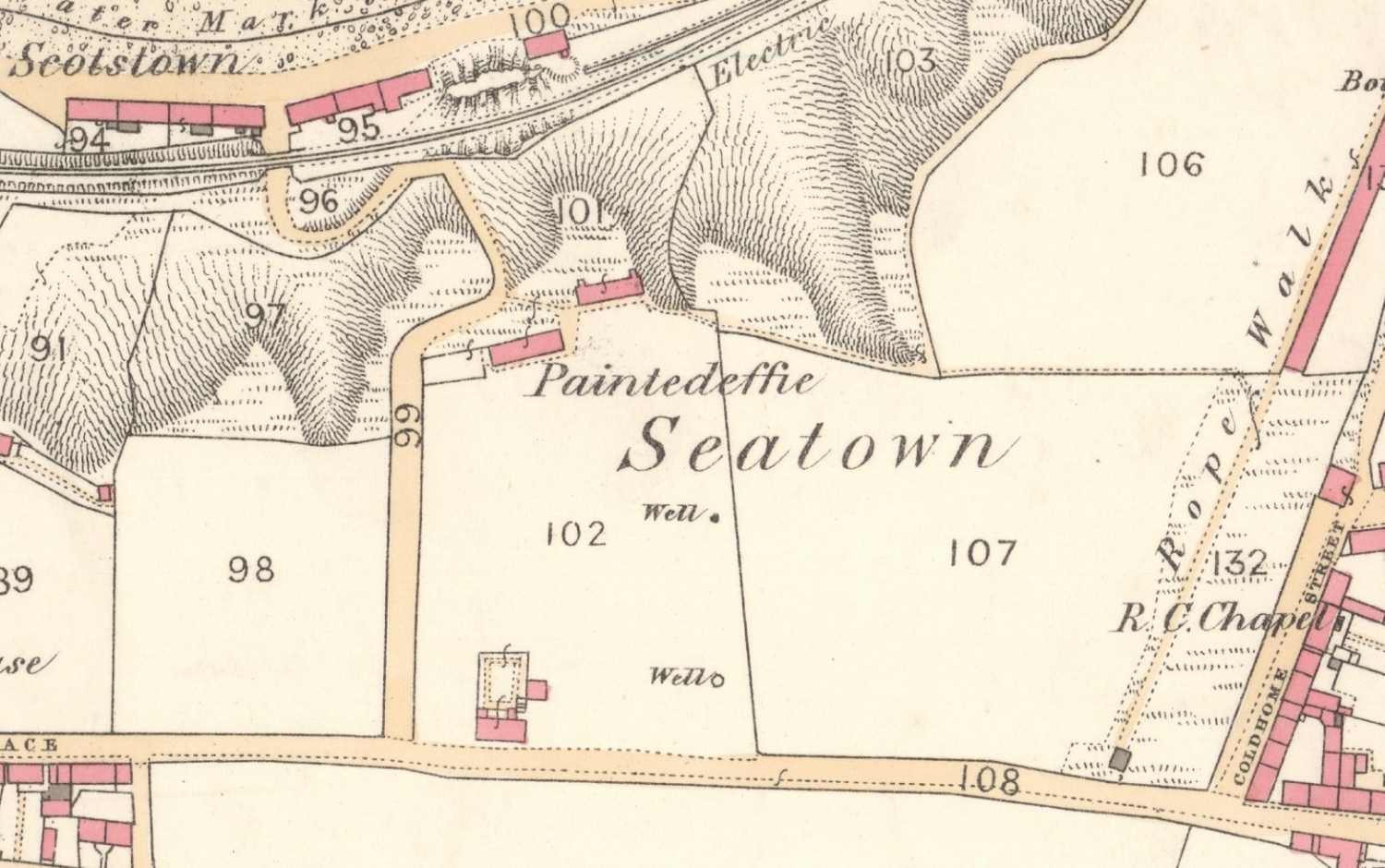
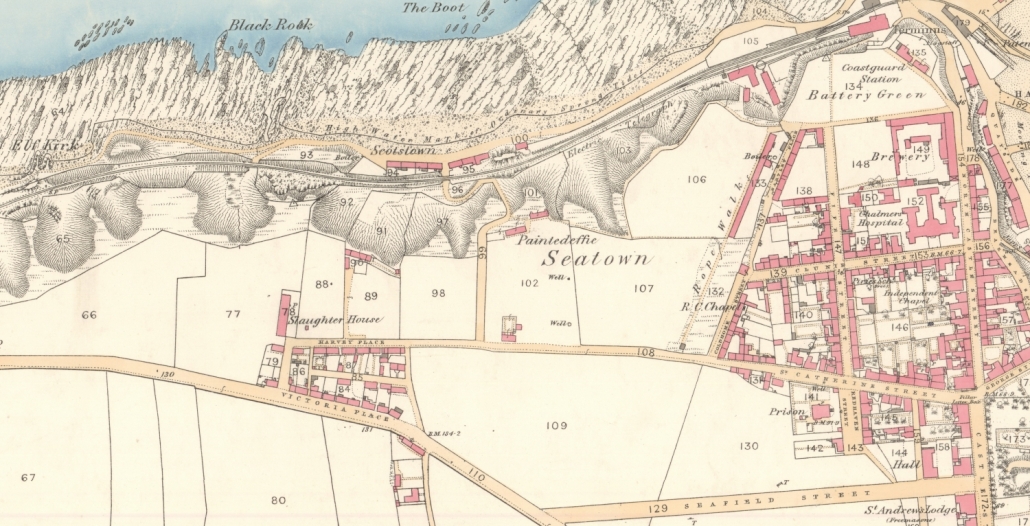
The earliest map that has a building on the site is dated 1775; the next detailed map is the first Ordnance Survey map of 1868 which names the area.  The road shown down to Painted Effie is today Wood Street; even into the late 20th century this was a roadway which led to Scotstown, but today it is just a footpath.

As can be seen on this map, Painted Effie was out of town – the road called “Rope Walk” on this map is today’s Campbell Street.  When the Wash-house was first built in 1765 the only houses in this direction were along St Catherine Street, so Painted Effie really was out of town.  The town was growing fast and by 1902 Wood Street and Fountain Street were in place and the wash-house at Painted Effie was not in use, because generally houses had their own water supply and a communal wash place was no longer needed.  The last record that can be found of “Painted Effie” being officially used as a placename was in 1930.

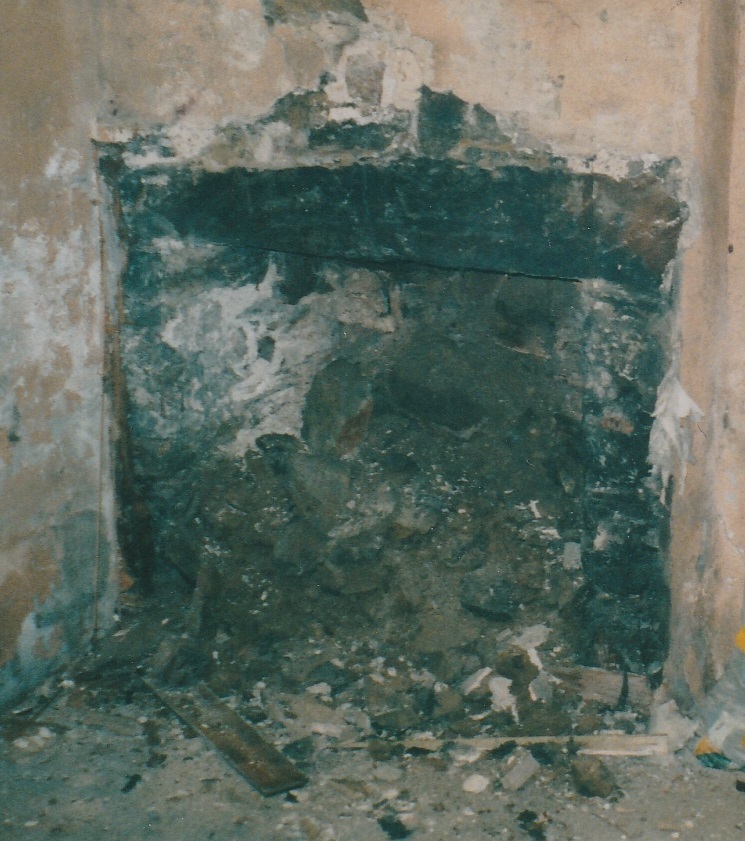
Today small elements of the original 1765 Wash-House exist, but the building was extended in 1902 to form what is today 8 Fountain Street – the FWB above the door standing for Frances W Bruce.  Part of the original Wash House wall can still be seen today, in a private garden, as just a wall, extending out from the present house.  The Wash House – by then a shed – was replaced in 2006 and is now part of the house.  An old fireplace was found – but it is unclear if that was original or not.

The whole subject became a substantial debate in the newspapers in 1990 over the derivation of the name “Painted Effie”, or as on the OS map “Paintedeffie”.  There is a story, recounted by Gordon Hossack, that his mother told him it was named after a Euphemia, a name commonly shortened to Effie.  While certainly there were several people called Euphemia living in Banff in the 18th and 19th centuries, none are listed as living in this part of town, although of course she may have been there before printed records.  The story goes that the “Painted” came from Euphemia being so careful and precise that the local word “pointed” was given to her, which got changed over time to “painted”.  However even in the 1763 Burgh records Painted Effie was an established placename; it is doubtful therefore that such derivation is more than a local tale.

Other derivations suggested during this debate 30 odd years ago included:

  • “Pen-dau-alvie” – celtic, even pictish, words, meaning “Headland of two Rocks”; this does sort of fit, not today, but think of the Elf-Kirk Rock – that used to be one of two rocks until the railway blasted it away; a similar derivation has also been suggested for the harbour head, Meavie Point, possibly derived from “Pen-mi-aivie”, headland of the single rock.  One 18th century record recalling the name as “Pentit Effie” has been found, and Scotstown was sometimes called Painted Effie, both of which may support this derivation;
  • “Pant na Feidh” meaning “marshy hollow”;
  • From the middle English word “Affere” meaning a display – for the beautiful sunsets; although others suggest that our ancestors rather looked out to sea to keep a watch for the dreaded Viking longships.

We’ll never know the true derivation, but it will no doubt remain an intriguing name.

http://creativecommons.org/licenses/by-nc-nd/3.0/

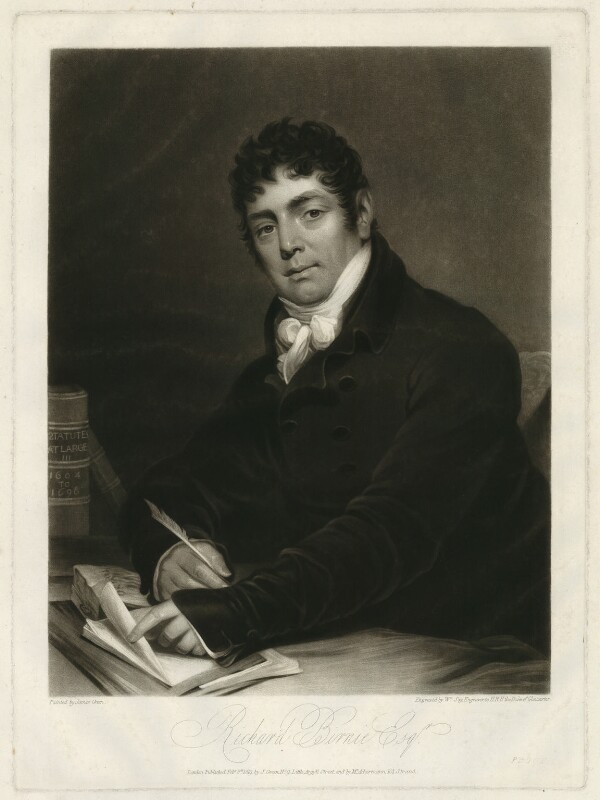
In 1759 Richard Birnie was born in Banff. He came from a respectable family and when he was old enough he was apprenticed to a saddler. Later he travelled to London to take up a position with McIntosh and Co., Saddlers and Harness Makers in Haymarket. This company undertook work for the royal family and Richard was often asked for by the Prince of Wales.

As his work was sought after by a member of the royal family, he advanced within the company and in time became a foreman and later, a partner in the business. In 1798, he married Louisa Birrell, the daughter of a wealthy merchant, and had a family.

In time he became a magistrate at Bow Street. He is famous for having led the police in the arrest of the Cato Street conspirators on 23rd February 1820. This was a group of twenty-seven men who had devised a plot to murder the entire British Cabinet, whom they blamed for the poor conditions for ordinary people in the country at the time. George Edwards, one of the conspirators, showed the others a copy of the New Times which stated that the Cabinet ministers were going to dine together at Lord Harrowby’s home in Grosvenor Square. The conspirators plotted to assassinate the ministers there. The group were betrayed by a spy in their ranks and that allowed Richard Birnie and the metropolitan police to arrest them before they could act.

Although there was such a large group, only eleven men were arrested. They were brought to trial and of these, five admitted their guilt and were transported, the other five were hung. The last one of the eleven was the spy.

Later at Queen Caroline’s funeral in 1821, a mob of people was becoming unruly and Sir Robert Baker, the Chief Metropolitan Stipendiary Magistrate, was urged to read the Riot Act but he did not, so Richard Birnie stepped up and read it. Sir Robert Baker resigned and Richard Birnie was promoted in his place. Shortly after the funeral, Richard Birnie received a knighthood.

Sir Richard Birnie died on 29th April 1832 and was buried in St Martin in the Fields cemetery.

This was soon after the 1914-18 war. The mortars went off at the coastguard station. My pal said: “Come on, we’ll get a badge”. So off we set at a run for the lifeboat station, then sited at the Macduff end of Banff Bridge. Arriving there we found the skipper throwing out armbands, the badges I mentioned. Of course a couple came our way, which meant we were to tail on to one of the ropes with which the boat was hauled to the launching place, in this case Macduff Harbour. The actual crew were all volunteers but all of them were seamen.

The boat, named George and Mary Berrey, was fitted with oars and sail only, and sat on a wheeled launching carriage. We were soon on our way, and when we arrived at Macduff, the crew all got on board. Mr Paterson, the harbour master, directed operations. There was a kind of slip, a very narrow passage, which the boat had to enter in order to be launched on an even keel, and this proved very difficult to accomplish. Skipper Dowffie (his nickname, not his surname) becoming impatient, shouted to “dump her ower the pier,” but Mr Paterson objected, saying it might damage the keel.

“Fit’s a coat o’ paint fan men’s lives may be at stake” was the answer he got, and we got a shout to let her go. Whoever worked the release pin did just that, and the boat plunged off the pier bow first, went well underneath the surface, and bobbed up again like the proverbial cork. A complete ducking for a start did not in the least dismay the bold skipper and his crew. The boat was well on its way when it was recalled. It had all been a false alarm!

When we arrived back at the lifeboat shed, the boat was housed and everything made shipshape. We handed in our armbands and a sum of four shillings [20p] was paid to each of us hauliers – very welcome for the little we did.

This story is almost word for word from Memories of My Young Days in Banff by A.R. in the Banffshire Journal Annual for 1965. He spelt the boat’s name George and Mary Berry, but I’m trusting the RNLI plaque in Banff Museum. In 1923 they closed the lifeboat station at the bridge and moved it to Whitehills.

Introduction

This continues from the first part of the story posted a week ago.

WILLIAM DUNCAN, 1846-1921   Part 2 of 2

William Duncan was a very enterprising man. He was on various committees and organised the first Masonic Lodges in the Chickasaw Nation.  Through his connections as a Scottish Rite Shriner, he heard that the Rock Island Railroad was to be extended and built across his land.  He immediately ordered a new store to be built nearer to the railroad site as well as new homes for himself and family members. William had always held the Native Indian people in high regard but ignored their advice not to build his new store in the location he had chosen near the new railway line.  They warned him it would be right in the cyclone path but William had already made promises to rail road officials so he went ahead.

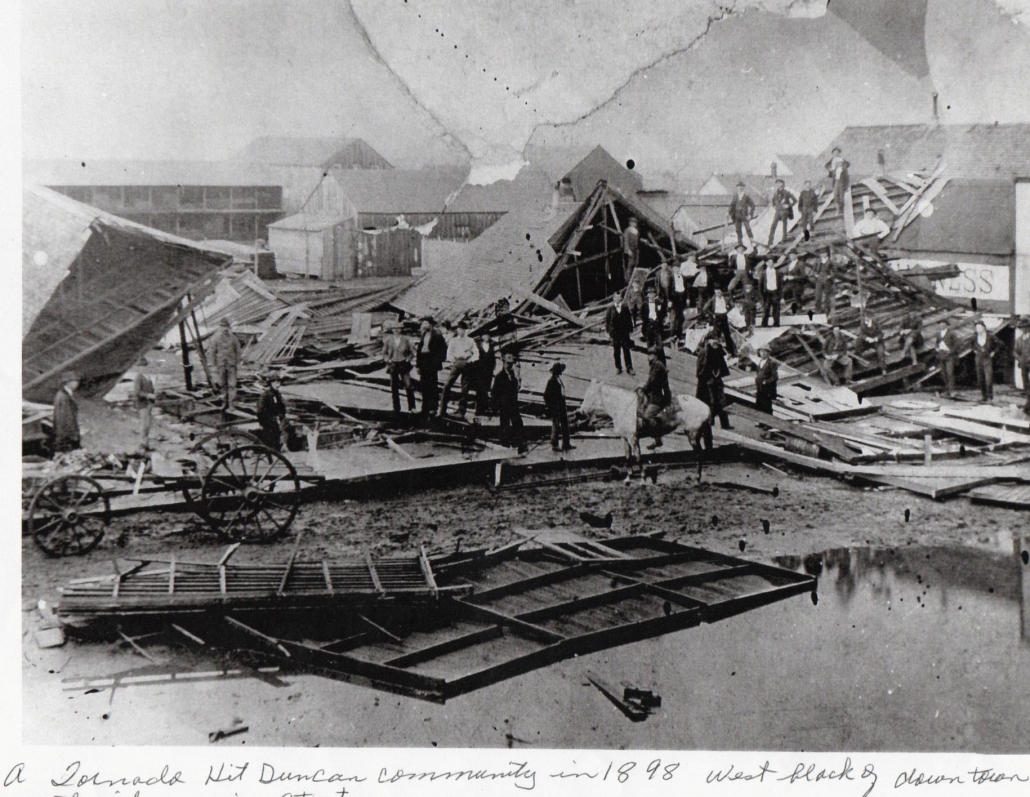
The area was unfortunately struck by cyclones several times over the years with a particularly bad one in 1898 flattening most of the town.  The demolished buildings were rebuilt with stronger materials and life went on.  

Tornado damage at Duncan, 1898

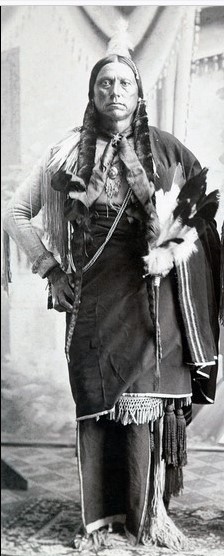
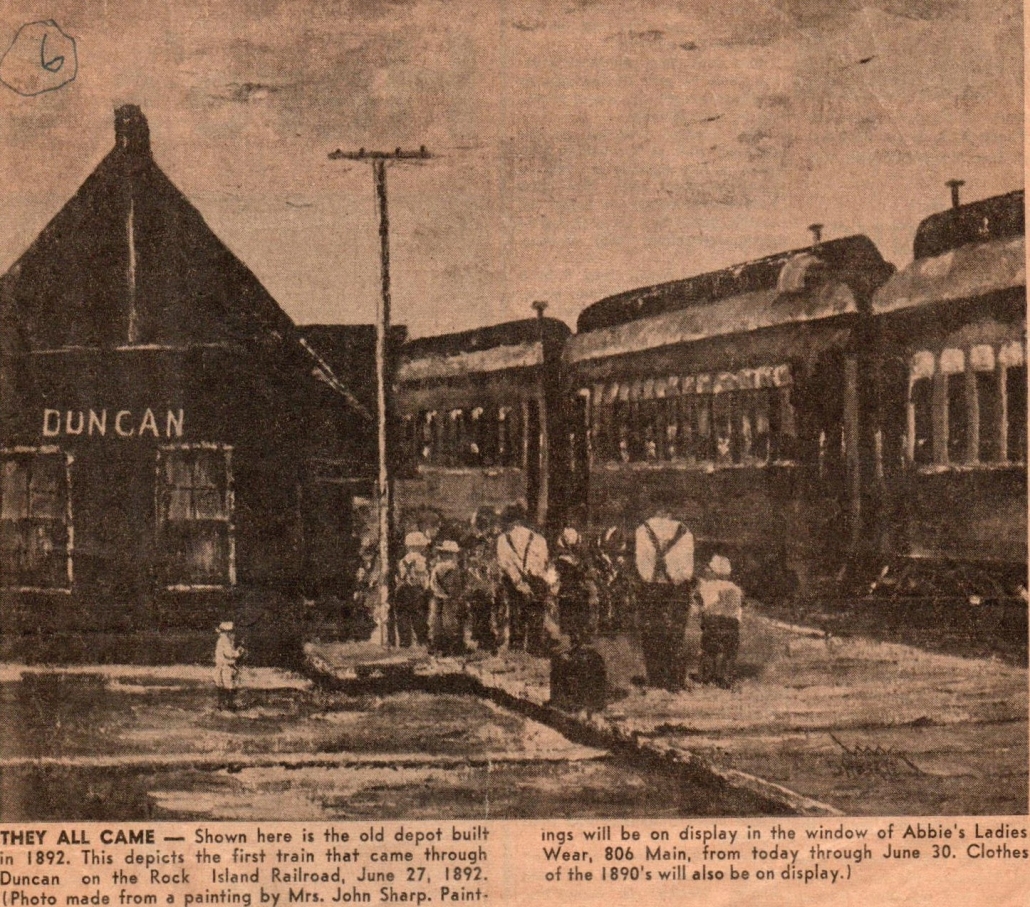
He established ‘city’ limits when other families started to arrive. The town of Duncan was officially named on 27th June 1892 when the first train passed through. By all accounts it was a day of great celebration opening up endless possibilities for the small town, bringing goods and passengers faster than by road and was a mechanical link to the rest of the country.  The Duncan band played and there was a party and barbeque which lasted for three days.  Chief Quanah Parker, the last Comanche Chief, attended with hundreds of his ‘braves’ from their reservation near Fort Sill, making a colourful sight and a great time was had by all.  The anniversary of that day was celebrated for many years after with people coming from miles away in wagons, buggies and on horseback.

Comanche Chief Quanah Parker
1892 Duncan’s first passenger train

1892 was also a sad year for the Duncan family as William’s other two daughters, Ruth and Christina, died of typhoid fever when it swept through the country and they are buried next to their Macduff grandmother, Ann.  All three daughters were gone but William still had his three sons, William junior known as ‘Red Bill’, James known as ‘Big Jim’ and Gregg.  That same year William ordered the building of the first Baptist Church in ‘Duncan’ which also served as a meeting place.  The first school followed soon after.

In 1895, William sold his store, gave up his position as postmaster and concentrated on rearing dairy cattle.  William wanted to share his good fortune and encouraged other family members from Scotland to join him.  His sister, Isabella Duncan had a large family and two of her daughters, Agnes and Barbara Kelman and a son, Alex Kelman travelled over one by one and made their home there. 

Alex Kelman became one of the best known ‘ropers and riders’ at rodeos in the country but tragically died age 40 when he was thrown from his horse.  William’s brother James also had two  sons, William and Jim Duncan who left Scotland and settled in Duncan, Oklahoma.  Out-with his own family, he paid for several other young Scots to travel over, using their skills to help build his town.  In return, they settled there and had good lives.

William was described as being cultured, refined and a fine conversationalist, liberal to a fault and never forgetting a friend or those in distress, indulgent to his family and a moral, upstanding man.  Mrs Geneva Thurlo, wife of US Marshall Ed Thurlo of the town described William Duncan as being “one of the finest, kindest men I have ever known”.

In 1905, William and Sallie, affectionately known in the town as Uncle Bill and Aunt Sallie, decided to retire due to William’s failing health.  They moved, at first, to California to be nearer to son, Jim’s family.  Later, they moved again to Bremerton, Washington to be nearer the sea which served as a reminder of William’s homeland. Sallie died there in 1914.

1907 brought statehood to the Indian and Oklahoma Territories and Duncan was made the county seat of Stephens County.  It became the 46th state to enter the Union.  

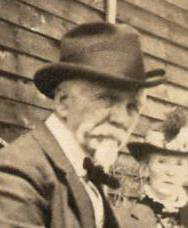
William Duncan c1917

In 1919, William and his great niece travelled back to Duncan, Oklahoma for a visit. William did not recognise the place.  It was bustling with faces he did not recognise.  The population was growing especially since the recent discovery of oil in the region.  He suffered a short illness while there and was unable to return home for a few weeks.

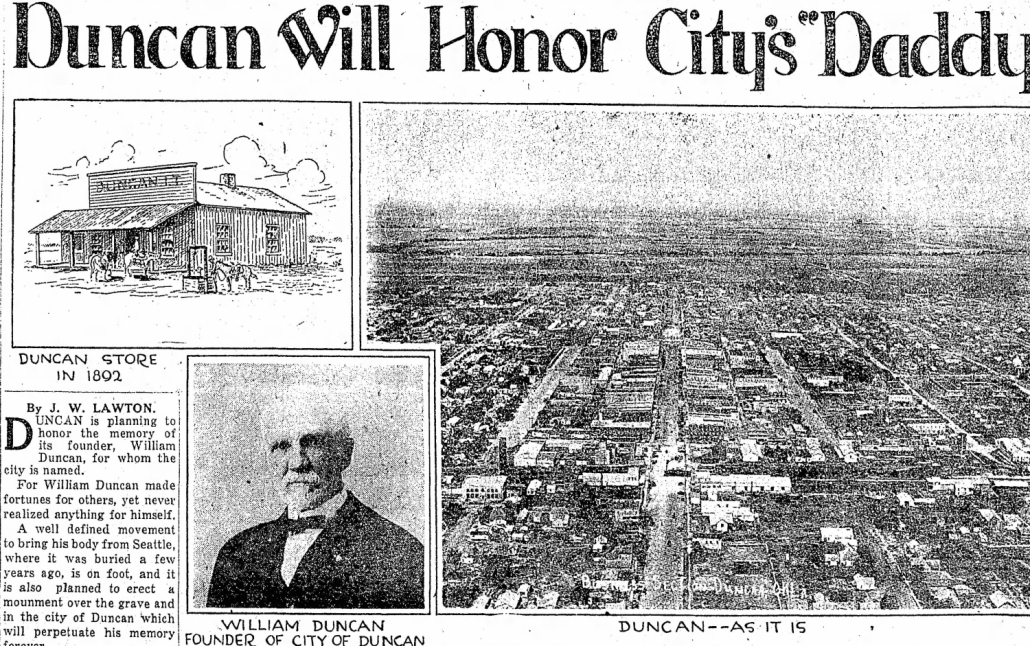
William Duncan died in Bremerton in 1921. His legacy is the town, now a city, which was named after him and the many Scots people who followed him to Oklahoma.  There is no statue or memorial for him.  There is one for Earle P. Haliburton who founded the oil company based there.

Daily Oklahoma article remembering the founder of the town of Duncan

Note from the author Sonia Packer:

My information has been gathered over many months from descendants of the Duncan family including direct descendants of William Duncan who hold stories and photographs; from archives and news stories; from the Stephens County Historical Museum in Duncan, who have a portrait and personal possessions that belonged to William and from the Oklahoma History site.  The Chisholm Trail Heritage Centre is also in Duncan, Oklahoma.

I descend from William’s sister, Annie Duncan who married a farmer and lived in Alvah, Banffshire all her life.  William was my 2 x great uncle.  William’s mother, Ann Kinnaird was my maternal 3 x great  grandmother.  Her sister, Helen Kinnaird, who married James Watt, a fisherman from Crovie, Gardenstown was my paternal 2 x great grandmother.  Helen’s 2x great grandsons are the founders of Macduff Shipyards.

Introduction

Everyone has read stories, or seen films, about the Wild West – the American Frontier – as people started moving westwards, populating and developing the land.  The “hey day” of this was from the end of the American Civil War in 1865 for about quarter of a century – and right in the middle of that was a Macduff loon…..

We are very grateful to Sonia Packer – born in Banff – for this Story.   She is the great great niece of William Duncan, the subject of this absolutely fascinating bit of history.

WILLIAM DUNCAN, 1846-1921   Part 1 of 2

William Duncan was the eldest of ten children born to James Duncan, a dock labourer and cooper who lived in Gellymill Street, Macduff with his wife, Ann Kinnaird who came from a farm in Gamrie.

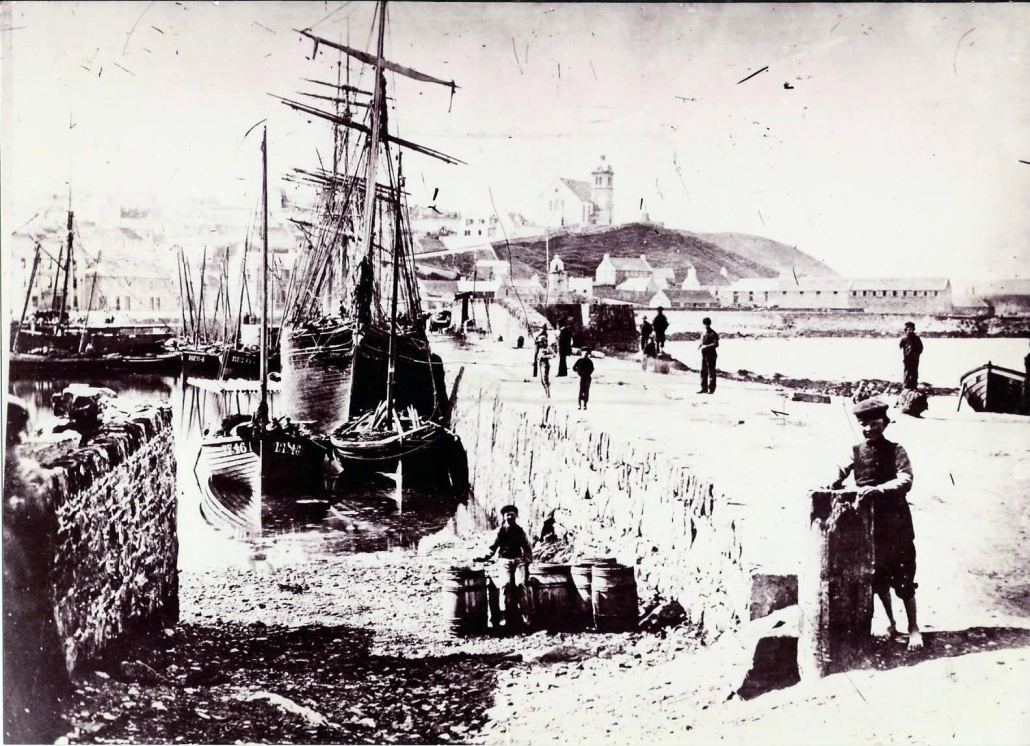
Black and white image showing a large sailing ship, various wooden fishing boats and Macduff church in the background.
Macduff Harbour circa 1870

William initially worked in Macduff as a tailor.  In 1863 he joined the Royal Navy.  Not much is known about his experiences in the Navy but it is thought that it triggered his desire to explore the world.  In 1866, age 20, William travelled from Glasgow to New York on the SS Caledonia and his new life far away from Scotland began.

At first he worked in any job he could find, gradually moving westward until he landed in Sebastian County, Arkansas.  It is believed he used his tailoring skills to make military uniforms at Fort Smith.  The whole area was under reconstruction following the end of the Civil War.  Soon after, he moved to Stonewall, in the wilds of the Indian Territory, working as a clerk at a trading store and in 1868 he married Martha Patsy Hall.  They went on to have three daughters and three sons. Their eldest child, a daughter, died as a baby.  Martha died in 1878 following the birth of their sixth child.  The following year he married his second wife; Sarah Jane Thornhill, known as Sallie, the widow of a Chickasaw Indian.  She was a white girl but had been accepted by the Chickasaw Indians and spoke their language. The family moved to Fort Sill (formerly Camp Wichita) where William again used his tailoring skills.  In 1882 William bought a general store at Cow Creek, close to the Chisholm Trail.  

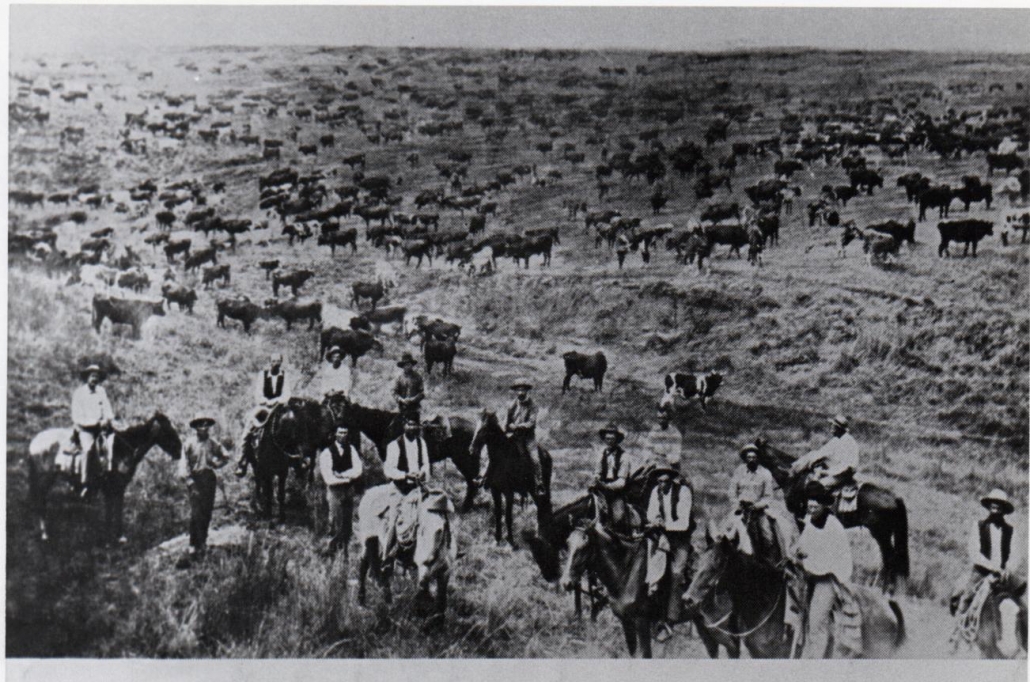
Black and white photo of men on horseback and lots of cattle
Chisholm Trail cowboys on the Prairie

The trail, named after its developer, Jesse Chisholm, was used to drive longhorn cattle between Texas and the railroad markets at Kansas, so William’s store was ideally positioned to supply trade to  the cattle herders/cowboys, ranchers and American Indian people from nearby reservations.  The customers at his trading post also included some of the outlaws who used the Territory as a hideout – resulting in some tense moments!  Supplies for his store mainly came by freight wagons from Gainesville, Texas.

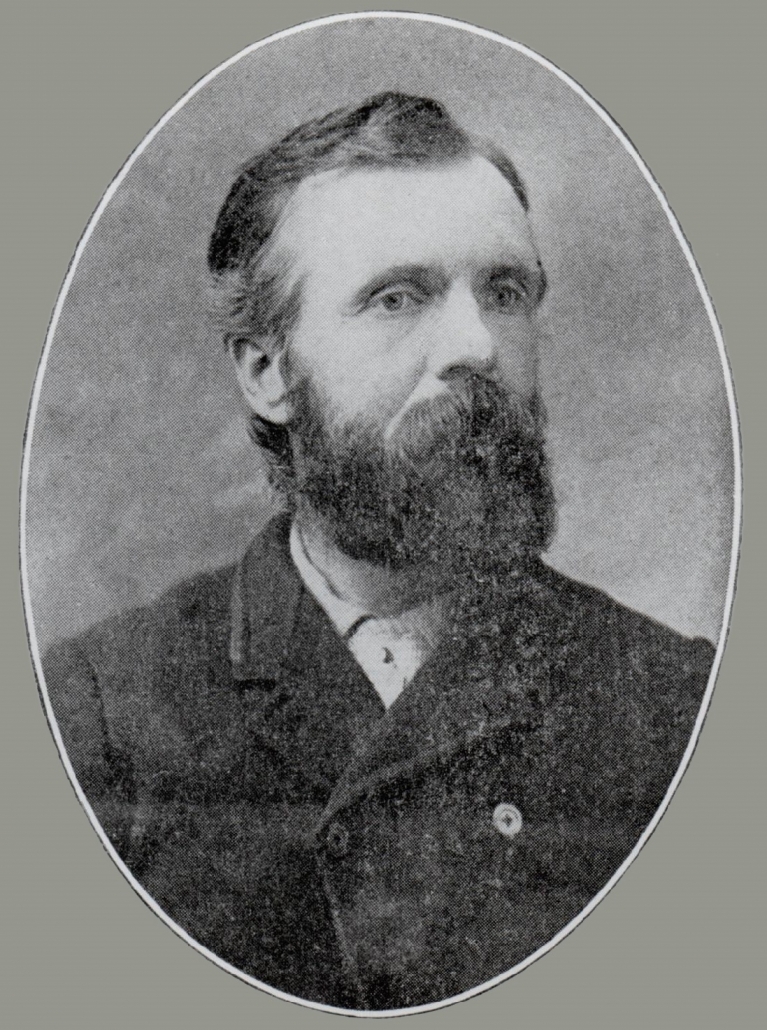
Black ad white photo of head and shoulders of bearded man
William Duncan in younger years

In 1884, William Duncan was also officially elected as Postmaster, a position he held for 11 years and the Duncan post office was established.  As Sallie was legally classed as an ‘intermarried white’, she and William had a right to Indian Territory land so they claimed hundreds of acres surrounding their store.  He started to build, expand and lease out areas to be brought to a state of cultivation.  Over time, large numbers of people came to settle there and the little town of Duncan became well known.  There was plenty of grass and water and the store supplied everything required for farming.

In 1888 William sent money home to Macduff so that his parents and some other family members could come and join him.  In March that year their long journey began.  The party consisted of James and Ann Duncan, their daughter Barbara with her husband Arthur Horne (his family owned the Crown Temperance Hotel and Stables in Banff and ran the first ‘penny bus’ service between Banff and Macduff) with their young son Joseph.  Also in the party was another daughter, Agnes – who was married to Macduff man, Charlie Birnie – and her two young children, William and baby Annabella.  The family first travelled by train from Macduff to Glasgow then by ship (the SS Furnessia) to New York, a journey of several weeks.  A train from New York took them to Gainesville, Texas where they rested before being transferred by covered wagon to William’s home at Cow Creek.  Ann Duncan sadly died there just a few months after their arduous journey.

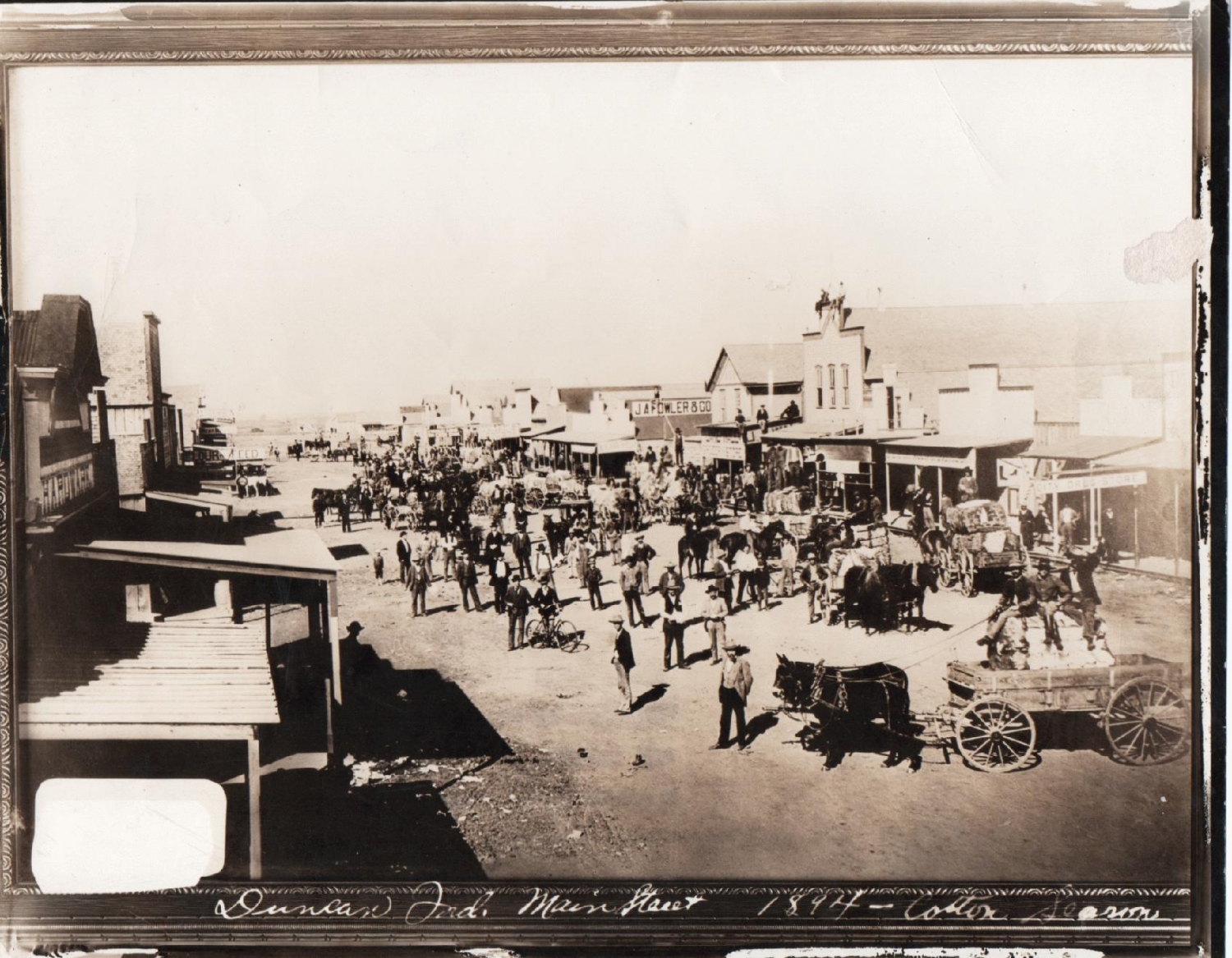
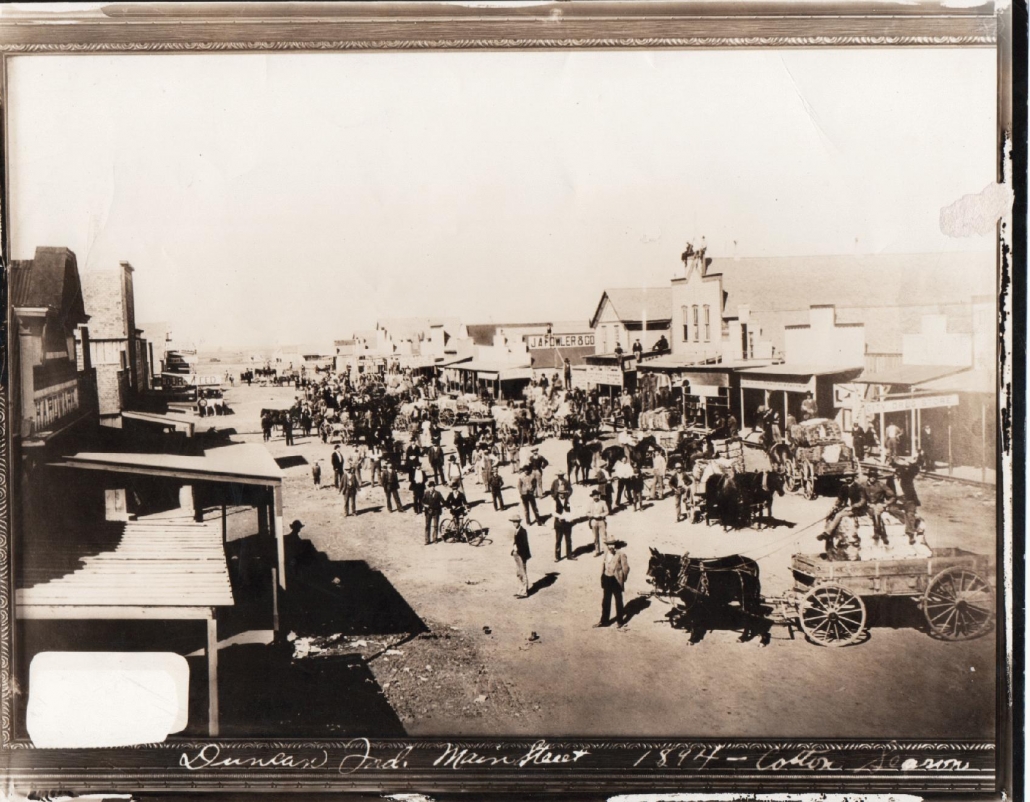
Main Street, Duncan 1894

Agnes Duncan and her husband remained in Oklahoma and raised their large family there.  Barbara  Duncan and her husband, Arthur Horne returned home to Banff as the pioneer life did not suit them.  James Duncan also went home to Scotland shortly after the death of his wife but returned to visit his son, William, in 1895 and they always kept in close contact.  

Watch this space for the second part of William Duncan’s development of “his” town of Duncan.

Mary Beaton (Copyright acknowledged)

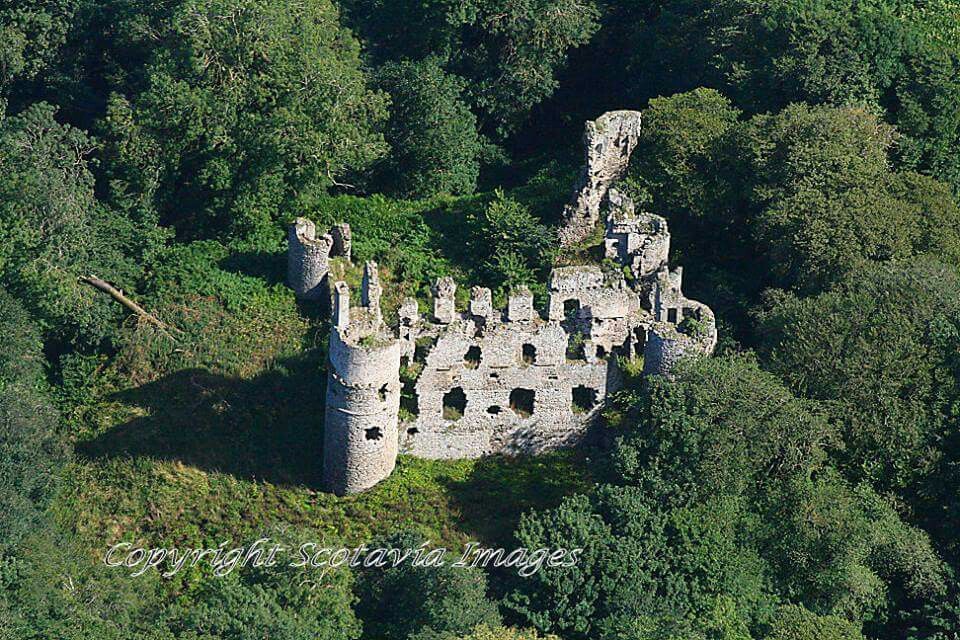
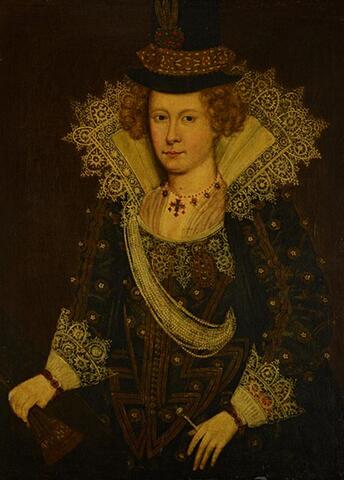
The Ogilvies of Boyne were very important round here for more than 200 years. Sir Walter Ogilvie was body squire to two kings, James III and James IV, and in 1486 was given the thanage of Boyne. He was Sheriff of Banff, and married an heiress, Margaret Sinclair of Deskford and Findlater. His great-grandson, Alexander, in 1562 entertained the young Mary Queen of Scots at Craig of Boyne. “After dining at Craig she proceeded to Banff, where she supped and slept”. Alexander caught the eye of her lady-in-waiting, Mary Beaton, and married her in 1566. Do you remember the song “Yestreen the Queen had four Maries, Tonight she’ll hae but three. There was Mary Beaton, and Mary Seton, and Mary Carmichael, and me”? Alexander built Boyne Castle, a fitting place for a lady brought up in the chateaux of France, but it bankrupted him.

The Ogilvies were all intermarried. Alexander’s son James married Isobel Ogilvie of Dunlugas, and when he died she married an Ogilvie of Glassaugh. Their daughter Marie married an Ogilvie of Carnousie and Knock, and her older brother James married a sister of Lord Findlater, another Ogilvie. That James had a short but interesting life. In 1623 he and five other Ogilvies was up in court for attacking and beating the minister of Forres in church. That didn’t stop him being appointed a JP for Banffshire later the same year. Two years later he went overseas, though we don’t know where, and was never heard of again. He wisely left a will naming executors to look after the children “till they be of perfect age of fourteen”.  

His son Walter lived through the Civil War. First he backed the Covenant against the King, and in 1645 Montrose’s army swept through the north. “The Laird himself kept the Craig of Boyne, wherein he was safe, but his haill lands for the most part were burnt up and destroyed”. His views changed, as he found the Covenanters too extreme, and he became an “Engager” and supported the King. So he was on the losing side when Cromwell won the battle of Worcester, and was disciplined by the church when he got home. However, in 1660 there was the Restoration, and Sir Walter (note the ‘Sir’) now was on the winning side. 

His son Sir Patrick was the greatest of the line, for 24 years one of the two MPs for Banffshire, and a Judge of the Court of Session, as Lord Boyne, “one of the most remarkable and many-sided men Banffshire has ever produced (Alistair Tayler)”. He did a lot for Portsoy, finding the funds for building the harbour, and protecting the marble quarries. But he never could balance his books, and there was public scandal about his young third wife and Campbell of Cawdor. And he was a Jacobite in the days of Queen Anne. He claimed to have had an interview with the Queen, and to have persuaded her to recognize her half-brother (the Old Pretender, James VIII and III) as her heir. In the end in 1705 he was bought out by his cousin, the Earl of Findlater and Seafield, who let the family stay on in the castle but took the estates, the land between Banff and Portsoy.

In fact Sir Patrick’s son James was a committed and active Jacobite, over in France from 1707, plotting to bring a French fleet. In 1708 he landed at Gamrie to get ready for them, but the fleet turned tail. Of course in 1715 he was back for the real rebellion. He was Brigadier Ogilvie at the Battle of Sheriffmuir (“Some say that we won, and some say that they won”) in 1716, and after that we have a proclamation from him to “All noblemen, barons… and all others the fencible men .., to meet and convene at the Gallowhill of Banff”. No-one came, and it was the last straw for Lord Findlater, who ejected James’s wife from Boyne Castle. He fled to France. The Stuart royal family paid for his son’s funeral in 1717. James died in 1728, the last Ogilvie of Boyne.

The Boyne townhouse is still there on Church Street in Banff, with a later facing, but the core is there.

The bombing of the Duff House Prisoner of War camp on 22nd July 1940 is well known – there are other stories on this website and a book by the Friends of Duff House, “Out of the Blue”; not least the joint British and German memorial outside Duff House close to where one of the bombs exploded.

There are however several so far unexplained mysteries around the whole matter of PoW Camp No5; ie Duff House.

Why were there so many regiments represented at Duff House in July 1940.  We know – mainly from the hospital records – that men from at least 8 regiments were stationed here. 

Secondly, although the British did a monthly report called “General Return of the Strength of the British Army”, Duff House is not listed as having any soldiers in July 1940  – although clearly there were!

Thirdly, is this tied in with why there is no MoD file on PoW Camp No5 ?  There is a file on 4 and 6, but no 5 – or at least not until 1944 when PoW Camp 5 was opened at Cookstown in Northern Ireland.  Yet there is a 1940 War Office letter referring to Duff House and PoW Camp No5, so there Is firm evidence!

Fourthly, what was the reason that the prisoners were housed inside Duff House itself, and the guards were in the Nissen huts to the east?  We know for sure the prisoners were inside, we even know which rooms some of them had, based on their own later correspondence.

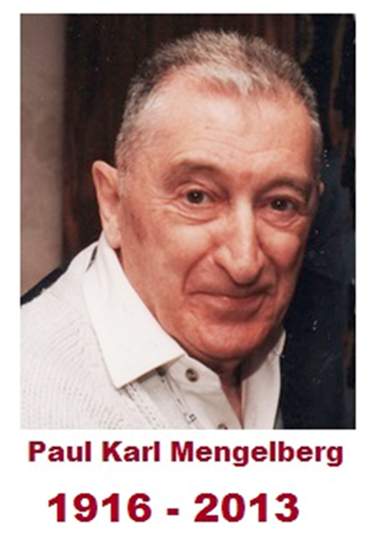
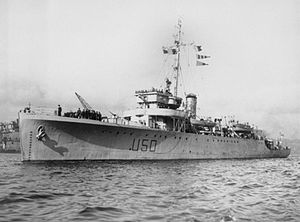
But the biggest mystery of all might be just why was the whole crew, except the captain, of the U-26, were transported all the way from southern Ireland to the north of Scotland.  An admission from the submarine radio operator, to a Canadian radio station, a couple of years before he died in 2013 might provide a clue.  Previous reports had always implied that the Germans had sunk the submarine before the British, from HMS Rochester, had been able to get on board, even though every single German crew member was rescued.  But Paul Mengelberg amended this in his radio interview, and admitted that the British did board the submarine.

Black and white photo of a WW2 sloop
HMS Rochester

There is no evidence but one possible reason this had not become known earlier, and perhaps explaining why 40 Germans had been transported hundreds of miles to Banff, has to do with the code that the Germans were using, and the British were trying to break – the Enigma machine.  The official records show that the British were not able to read the german messages until at least March 1941.  But did they actually get their hands on an enigma machine in July 1940 – and needed to keep that quiet so the Germans would not know they were reading messages? 

It seems unlikely we’ll ever know, but it is intriguing that Duff House may have been part of such an important element in the war.